
CONTRIBUTE TO
A Carbon Neutral SOCIETY
We have the bold ambition of supporting the transformation to a carbon-neutral society.
SCOPING OUR EMISSIONS
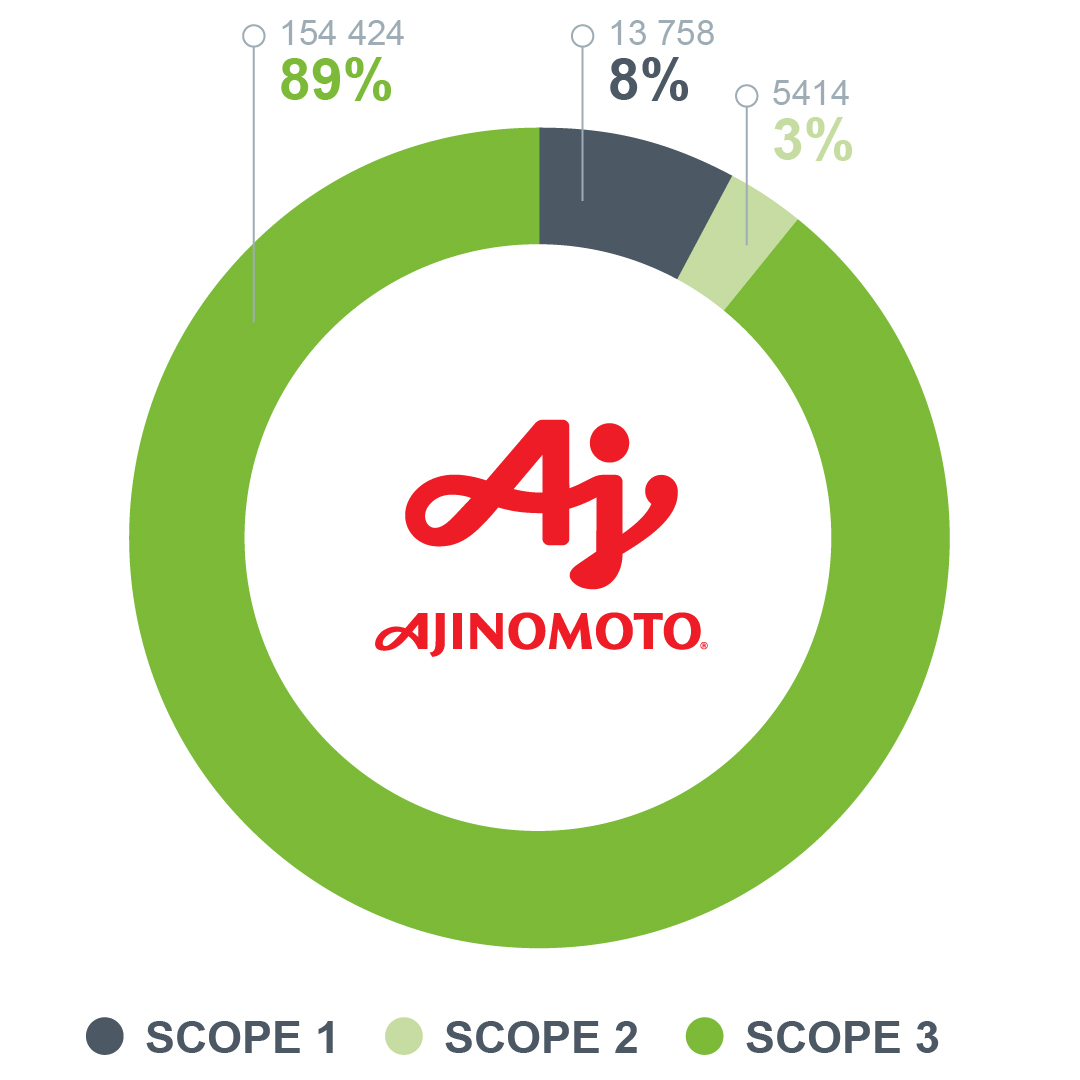
Own emissions are called Scope 1 emissions. But we are also cutting emissions related to the production of heat and energy we purchase and use – Scope 2 emissions. We are doing the same for Scope 3 emissions – other indirect emissions related to our products and services, such as those third-party suppliers produce when providing us with goods or services, or that result from the use of our products or services. The fewer emissions, the better.
ReducTION with Science based targets
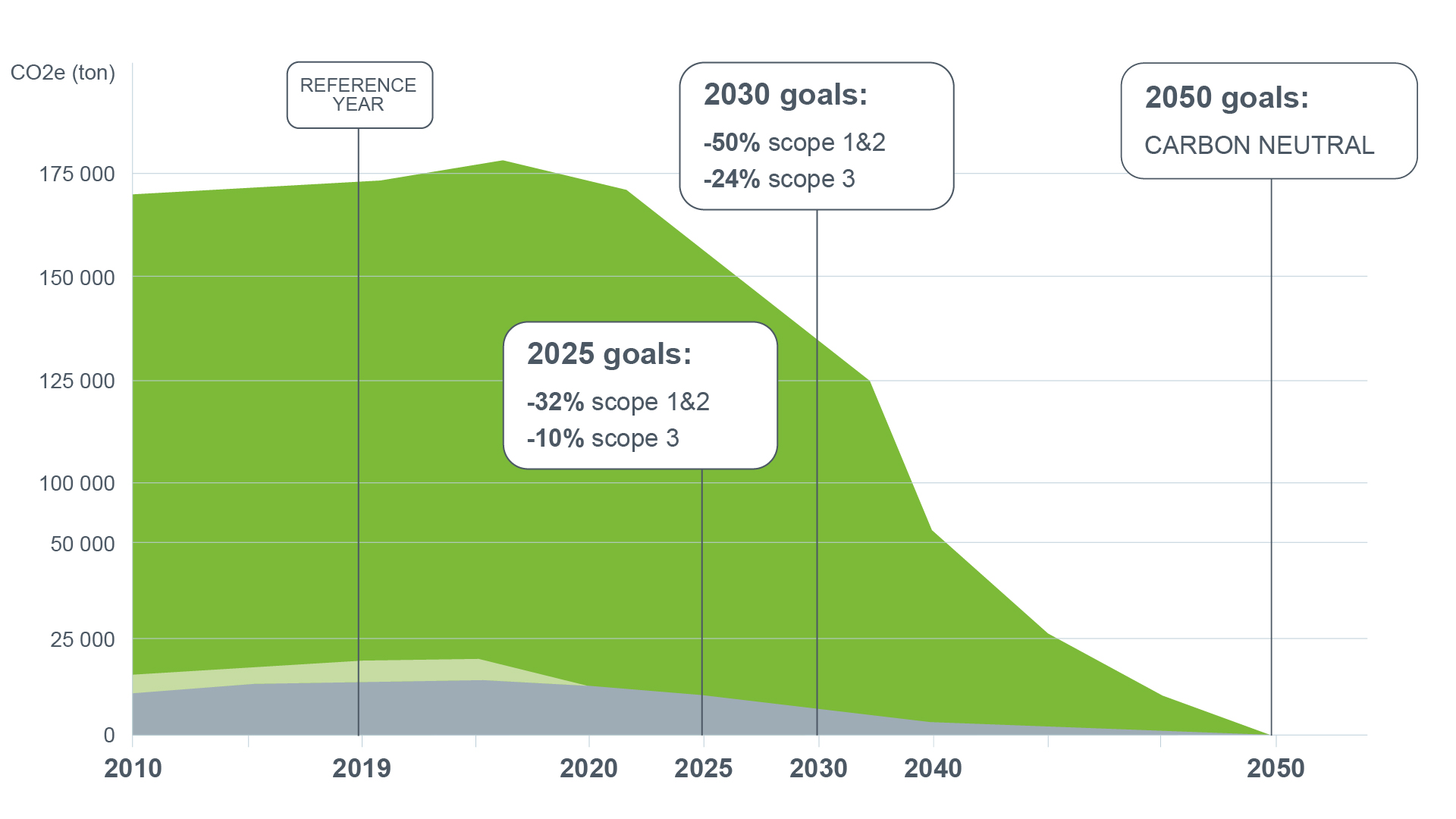
Our figures were externally verified using Green House Gas Protocol. And Ajinomoto endorsed us for our net-zero goals.
We are working hard to reach carbon neutrality by 2050. You might notice the percentages showing our progress. They’re measured in comparison to our emissions in 2019.
We take responsibility for reducing scope 3 emissions. For CDMO-related activities this reduction depends on the customer willingness.
powered by renewable ELEctricity
Perhaps the best example of how we reduce our emissions are our energy production methods. We put Operational Excellence first, making sure we reduce energy consumption wherever possible. We switched to renewable energy.
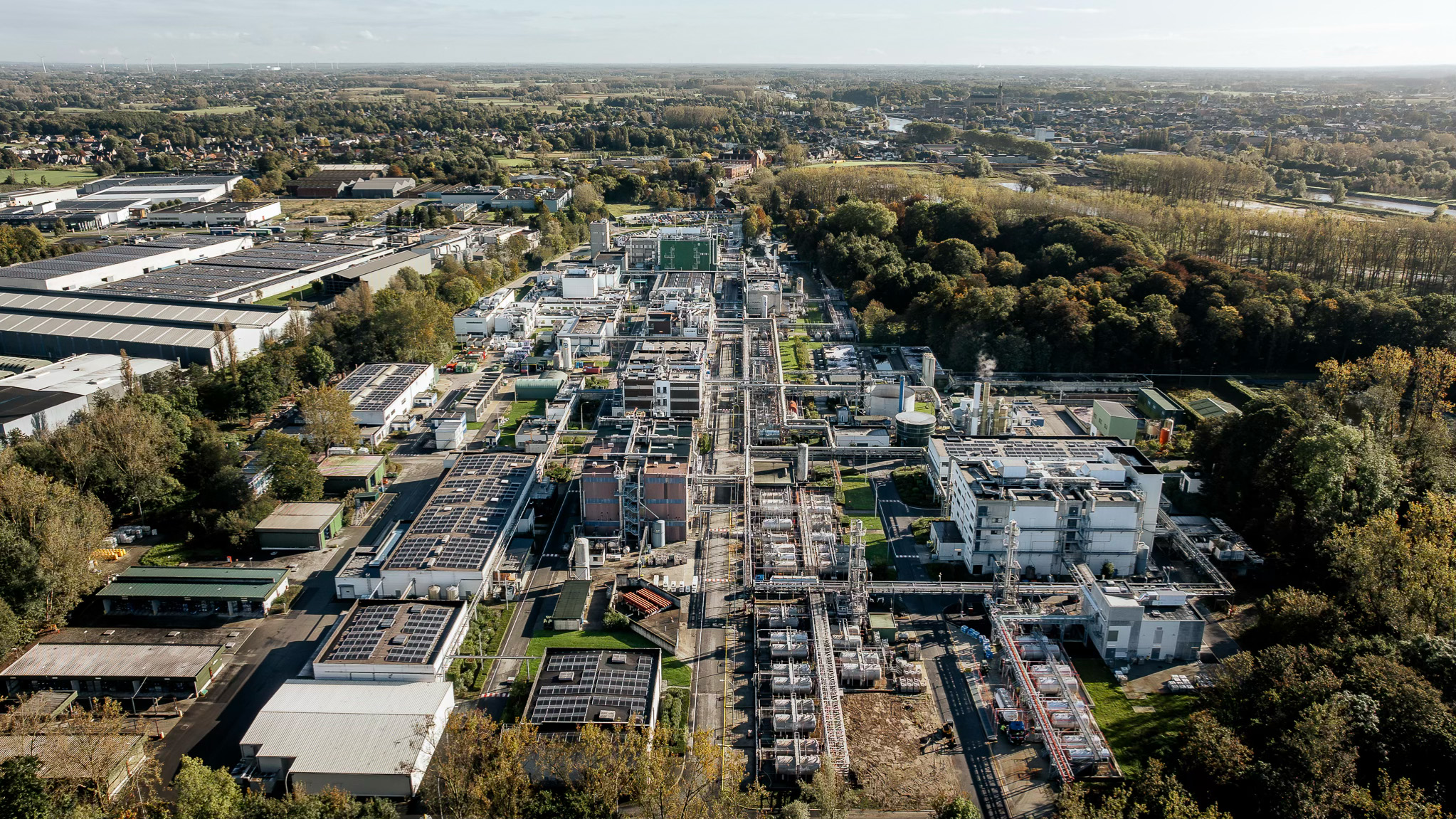
Every single one of our sites in Belgium and Spain is now running on 100% renewable energy. We have invested in locally sourced green energy. For instance, we installed solar panels in Wetteren and Balen. And we continuously try to cut energy use wherever we can. We believe that even the smallest step counts. This is also how we make a difference.
By the end of 2030 every AOC site will be running on renewable energy.

OUR CLIENTS ARE ON BOARD
What makes us proud? Our clients are also very actively involved in this. We guide customers along the most environmentally friendly path, from their initial request to the completion of the manufacturing process.
We have developed an Eco Passport that helps clients visualise the emissions for every process and manufactured product, from cradle to gate. We have had our calculation methodology independently verified. It is entirely in accordance with ISO 14067: Guidelines for the quantifying and reporting of the carbon footprint of products.